

RIO Press Articles |
| Globe Asia - Jun 2011 |
| Globe Asia - Currency Wars Nov 2010 |
| Player Magazine - Born Trader 2009 |
RIO Charity and Sponsorship |
| RIO Sponsors Anza Ball 2025 |
| RIO Sponsors FUFGT 2025 |
| RIO Sponsors German Open Cup 2025 |
| RIO Sponsors PHGT 2024 |
| RIO Sponsors JSAS Ball Nov 2024 |
 |

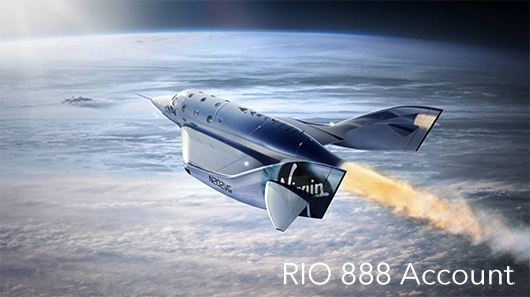
Virgin Galactic partners with Rolls-Royce as it looks to build an aircraft for supersonic air travelSpace tourism venture Virgin Galactic announced it signed an agreement with Rolls-Royce to develop an aircraft for supersonic travel, giving a first look on Monday of the coming vehicle's design. Supersonic travel is a long-term bet for Virgin Galactic, which has been developing reusable spacecraft capable of sending people on short trips to the edge of space for more than a decade. Virgin Galactic said it completed a mission concept review alongside NASA of its supersonic vehicle design and now will work with the Federal Aviation Administration to create a framework for certifying the aircraft for flight. Previously Boeing's venture arm invested $20 million in Virgin Galactic, specifically toward helping the company build a supersonic aircraft. "We have made great progress so far, and we look forward to opening up a new frontier in high speed travel," Virgin Galactic chief space officer George Whitesides said in a statement. British aerospace company Rolls-Royce has a notable history making aircraft engines, including having built the engines that powered the supersonic Concorde aircraft. British aerospace company Rolls-Royce has a notable history making aircraft engines, including having built the engines that powered the supersonic Concorde aircraft. The initial supersonic design targets Mach 3, or three times the speed of sound, using a delta-wing aircraft. Virgin Galactic said the aircraft would be capable of carrying between 9 and 19 passengers and would cruise at an altitude above 60,000 feet. While Virgin Galactic's current focus is on its space tourism business, Wall Street analysts point to the potential its supersonic aircraft would have to disrupt the commercial airline market. Morgan Stanley in December highlighted Virgin Galactic's supersonic potential, with the firm forecasting $800 billion in annual sales by 2040 for high speed travel. The company’s design puts it into a development race against a few other private firms, some of which have been working on next-generation supersonic aircraft for several years. Boom Supersonic, Aerion Supersonic, and Spike Aerospace each are working on supersonic jets — and, before the the coronavirus pandemic, those companies expected to conduct test flights as early as 2023 or 2024. |